Why Kids Feel Safe With Good Physiotherapists
Have you ever watched a child run and play? They move with pure joy. But sometimes, a child gets hurt or is born with a condition that makes moving hard. This can feel scary. When play becomes painful, the world gets smaller.
This is when a special helper, a physiotherapist, steps in. And somehow, kids who might feel afraid often end up smiling in their sessions. Why do children feel so safe with these movement guides? Let’s find out:
They speak the language of play:
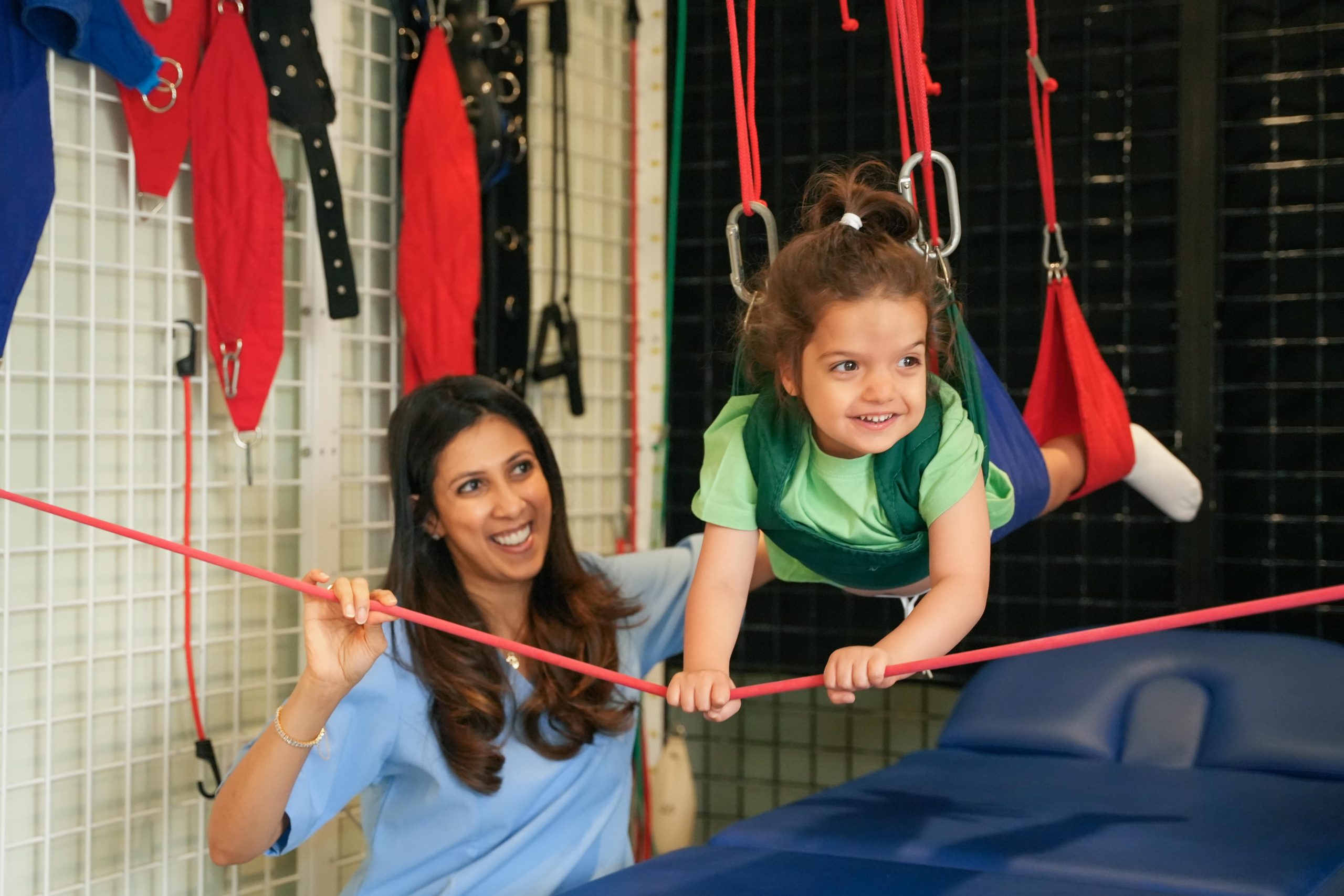
A pediatric physiotherapy Dubai room does not look like a doctor’s office. It looks like a playground! There are bright mats, fun balls, soft blocks, and cool ramps. Exercises are not boring drills. They are games, stories, and adventures. A child might reach for a toy to make their arm stronger. They might walk across pillows to help their balance. Work feels like fun.
They listen with their whole heart:
These therapists are expert listeners. They listen to parents and doctors. Most of all, they listen to the child. They watch how a child moves, what makes them laugh, and what makes them nervous. A child feels seen and understood. Their feelings about their own body are important here.
They go at the child’s speed:
Nothing is rushed. The therapist lets the child set the pace. If an exercise is new and feels funny, they might try it together first. They celebrate tiny wins, like bending a knee a little more. This patience builds trust. The child knows they will not be pushed too hard.
They give the power back:
Injury or illness can make a child feel like they have lost control. Physiotherapists help them get it back. They offer simple choices. “Do you want the red ball or the blue one?” “Should we try two more steps?” This lets the child lead their own recovery. They feel strong and capable.
Hands are gentle and kind:
The touch of a physiotherapist is always careful and gentle. Their hands are not for scary pokes or prods. Their hands are for support, for guiding a movement, or for a high-five. This gentle contact feels reassuring, not scary.
They build a team with a smile:
The therapist, the child, and the parent become a team. The therapist shows the child what their body can do. They show parents how to help at home. Everyone works together with smiles and encouragement. The child feels supported, not alone.